Better Together: Young Children's Tendencies to Help a Non-Humanoid Robot

Interaction Design & Children, 2020 Child-Robot Interaction, Prosocial Behavior, Mobile Robot

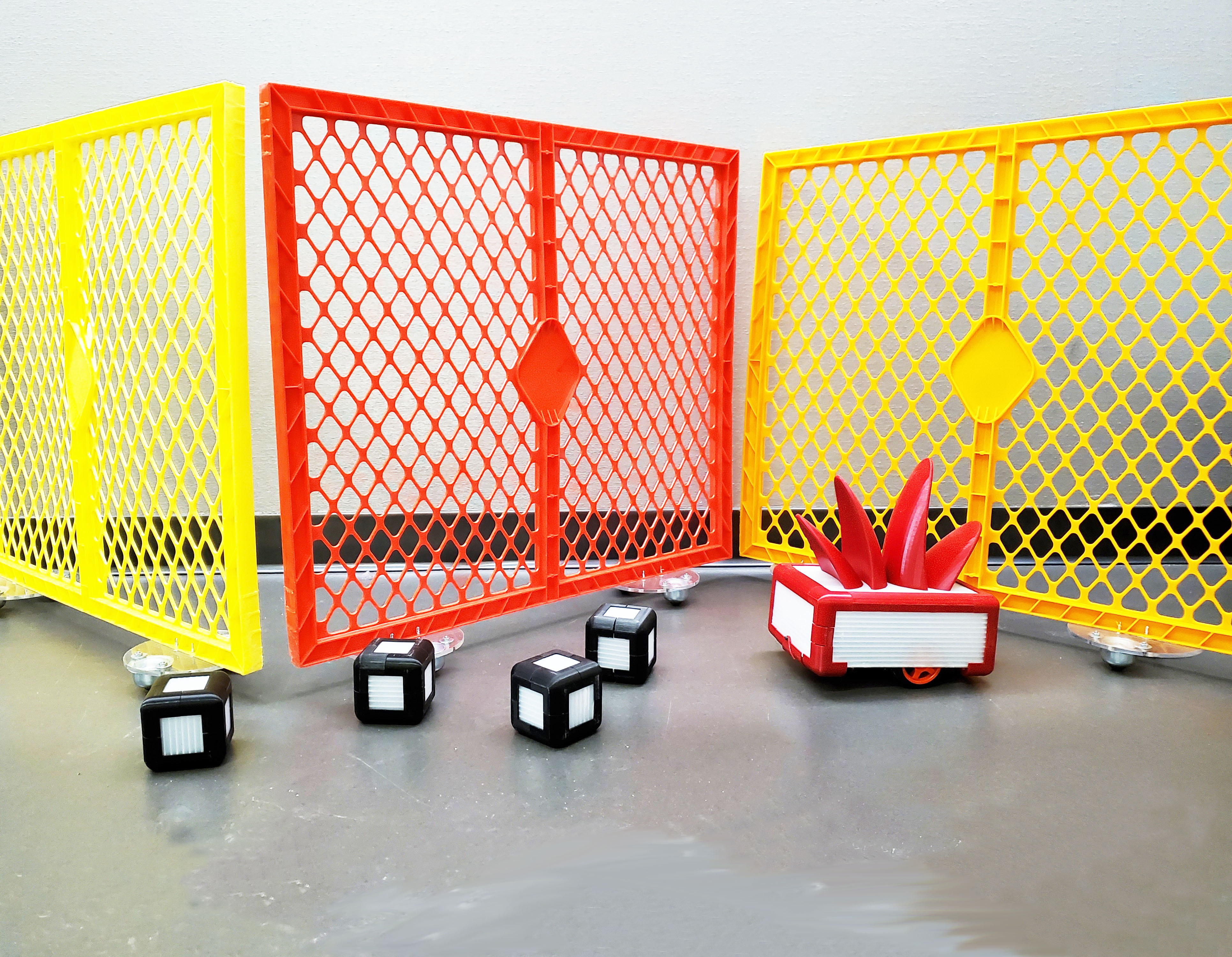
In child-robot collaborations, a robot may fail to accomplish its part of a task. In this situation, the robot is reliant on the child to recover. Inherently prosocial, a child is inclined to help the robot collaborator if the child can properly identify the robot failure and infer how to help correct it. In this study, we investigate how a non-humanoid robot can solicit the help of a child-collaborator using only its motion path. We conducted a study with twenty-two children, ages 3-7, who participated in a collaborative building task with a non-humanoid mobile robot. We found that autonomous motion of a non-humanoid robot elicited prosocial behavior from 59% of children, and that young children were willing to engage with the robot as an...
Design and Evaluation of an Affective, Continuum Robotic Appendage for Child-Robot Interaction

RO-MAN, 2021 Child-Robot Interaction, Affective Communication, Non-Humanoid Robots

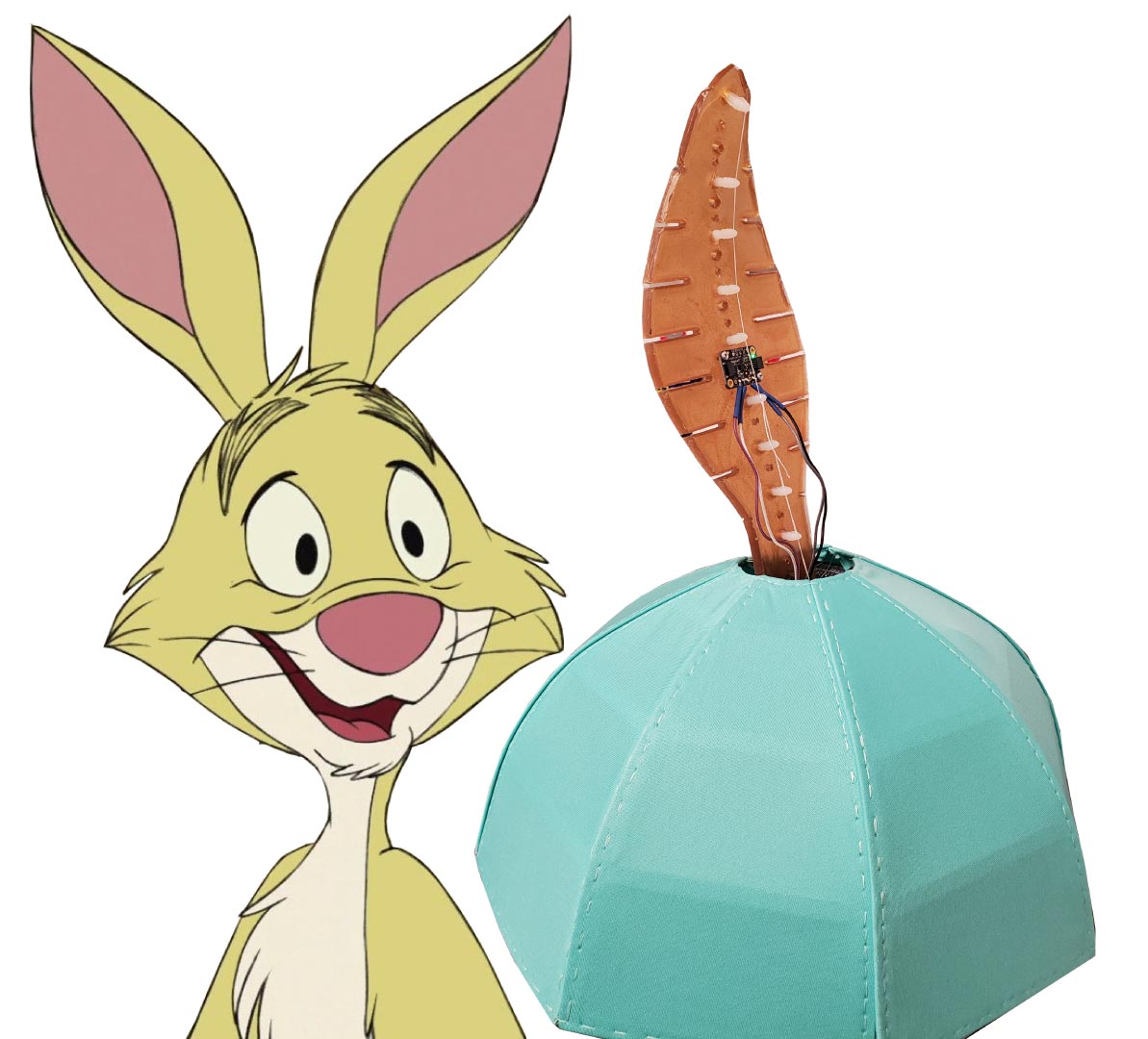
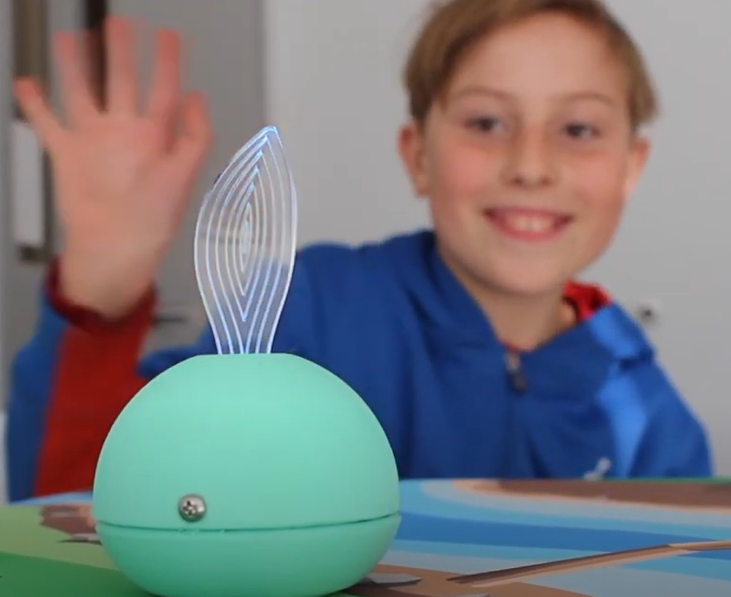
We introduce a robotic appendage (a “fin”) for a non-humanoid mobile robot that can communicate affect to child collaborators. Affective configurations were generated from a collection of cartoon images that featured characters with floppy or bunny ears. These images were classified according to the six Ekman emotions, analyzed to create ideal emotion configurations, and validated with a user study. From these configurations, we designed multiple continuum robot fin appendages and evaluated them based on (a) their ability to achieve the generated affect configurations, and (b) their durability for sustained use in child-robot interaction studies.


Growbot: A robotic system to help children grow plants

Interaction Design & Children , 2020, BEST DEMO Child-Robot Interaction, Robot Design

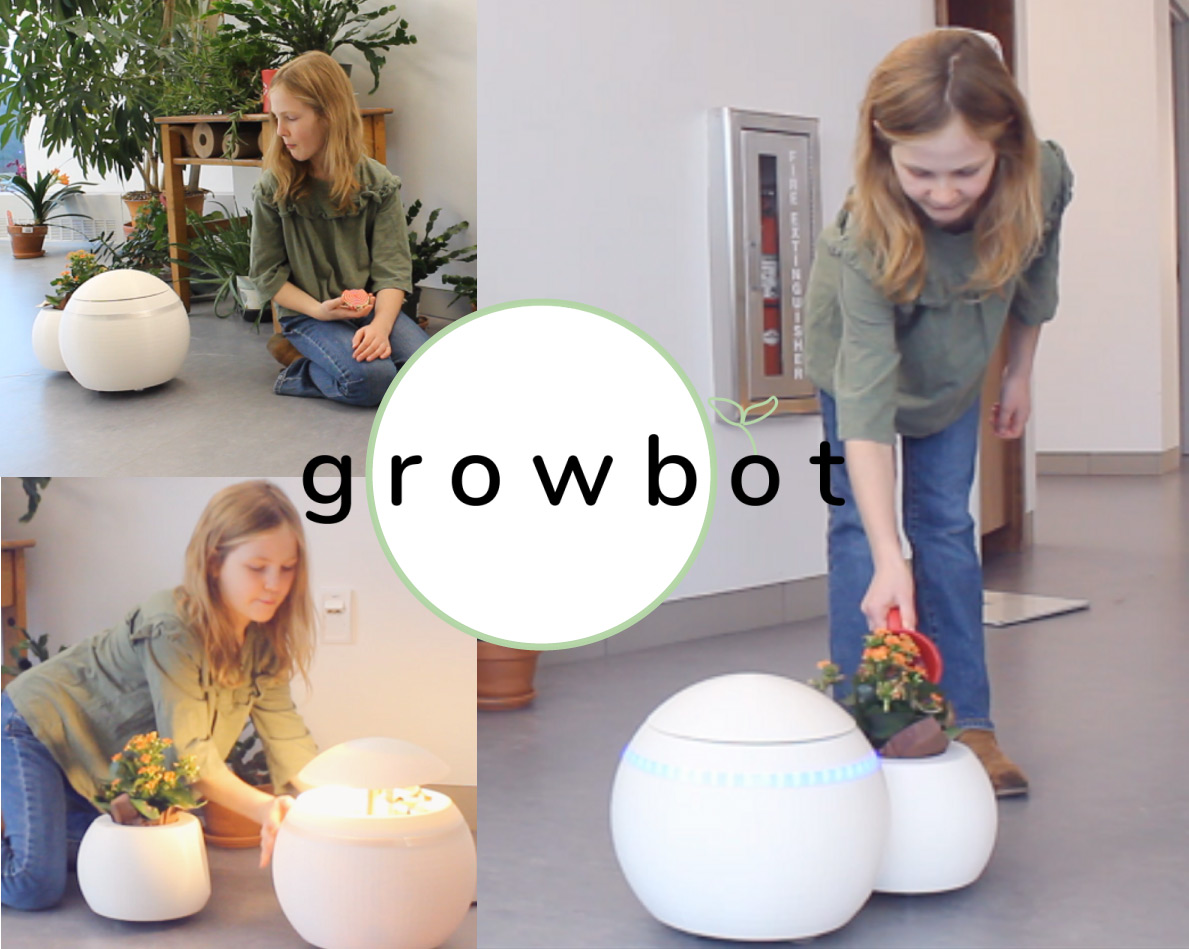
Growbot and Growall comprise an interactive robotic sys tem that helps teach a child to care for a plant. While some children learn caregiving skills from pets, many children live in areas where pet ownership is impractical or not per mitted. Plants are more accessible and can teach a simi lar skillset. But, unlike pets, plants are unable to draw at tention themselves to get the care they need. Growbot, a mobile robot capable of moving a plant, enables plants to move in goal-directed ways to gain attention and communi cate needs to a child caregiver. As the plant grows with the child’s long-term care, the child is rewarded with Growall, an interactive, flowering, wall-mounted surface. As the plant grows, Growall becomes...


Sapling & the Travelling Forest: A table-top mobile robot platform for child-robot games

Interaction Design & Children, 2022 Child-Robot Interaction, Collaboration, Collaborative Learning

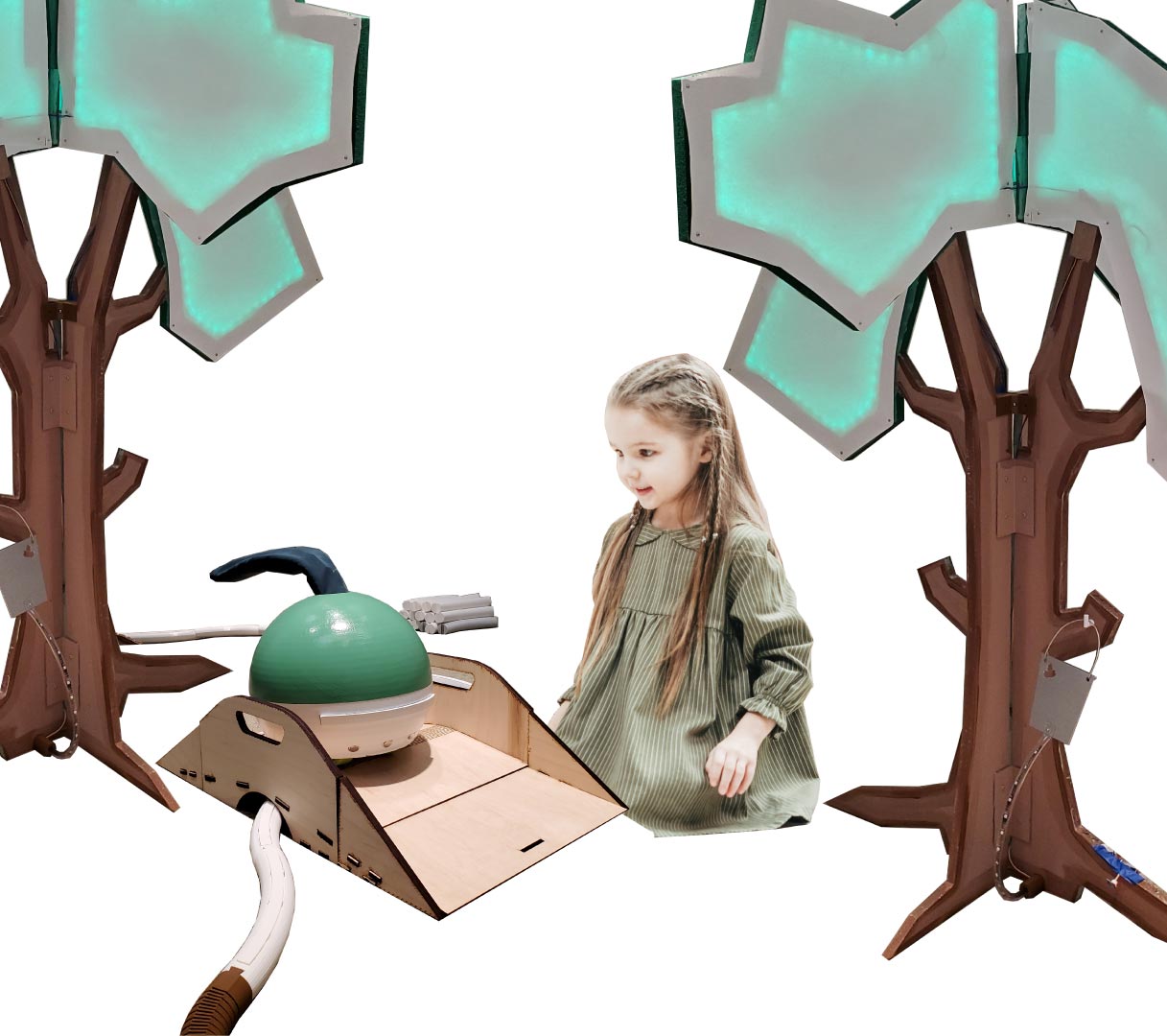
Mobile robots can provide unique and engaging experiences for child-robot gameplay, but are often overlooked due to challenges of setup, navigation, and space limitations. To combat these chal lenges, we designed “Sapling and the Travelling Forest,” a small mobile robot that uses a table-top game platform to play games with children. The system was designed as a low-cost and travel friendly alternative to larger mobile robot setups, and can be used in any location with a power outlet. The robot, “Sapling,” is an in teractive agent that moves through the “Travelling Forest” platform which frames the system and contains the robot to the forest play area. The system currently offers three games focused on collaborative, spatial play...


MAPLE: A Multi-Agent, Prosocial Learning Environment

IEEE ROBOT, 2024 Child-Robot Collaboration, Prosocial Behavior, Collaborative Learning

Social-robot peers provide new opportunities and benefits for children’s education that robot tutors and learning tools cannot. One such opportunity is peer collaboration, which can improve cognitive and affective learning outcomes. We explore this opportunity with a non-humanoid collaborative robot system that we call “MAPLE,” a Multi-Agent Prosocial Learning Environment. In MAPLE, our robot, “Maple,” physically acts on its environment and coordinates its behaviors with children to complete a task that is both synchronous and collaborative. Findings from a preliminary interaction study involving 17 children suggest that perceived collaboration with a robot can positively influence children's engagement and motivation, particularly in contexts where collaboration is encouraged but not explicitly required. This work offers compelling insights for advancing child-robot collaboration.


No, Your Other Left! Language Children Use To Direct Robots

ICDL, 2021 Child-Robot Interaction, Human Robot Communication, Language and Semantic Reasoning

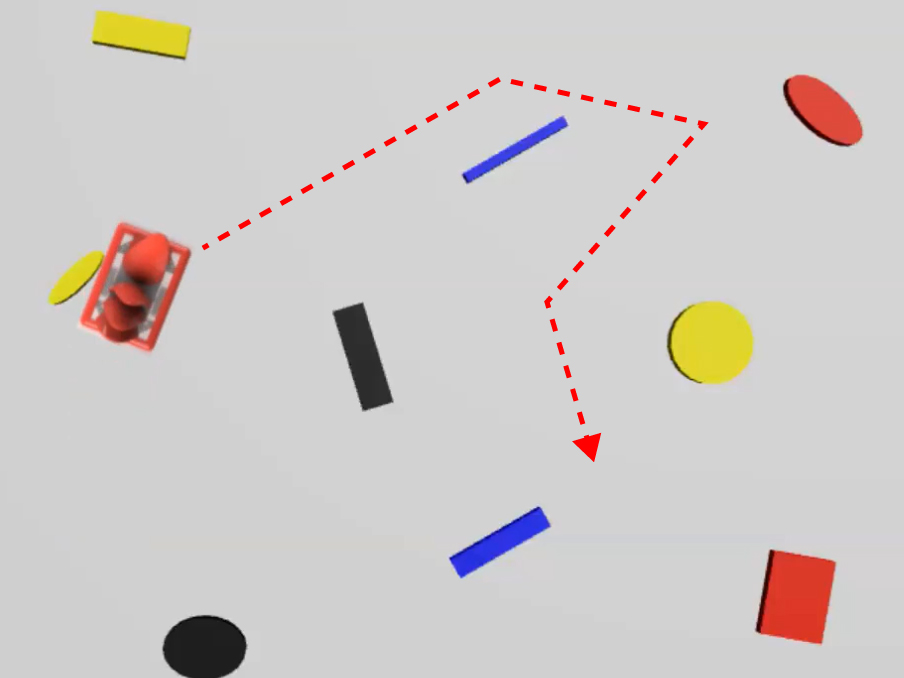
We present an analysis of how children between 4- and 9-years-old give directions to a robot. Thirty-eight children in this age range participated in a direction giving game with a virtual robot and with their caregiver. We considered two different viewpoints (aerial and in-person) and three different affordances (non-humanoid robot, caregiver with eyes closed, and caregiver with eyes open). We report on the frequency of commands that children used, the complexity of the commands, and the navigation styles children used at different ages. We found that pointing and gesturing decreased with age, while “left-right” directions and the use of distances increased with age. From this, we make several recommendations for robot...